
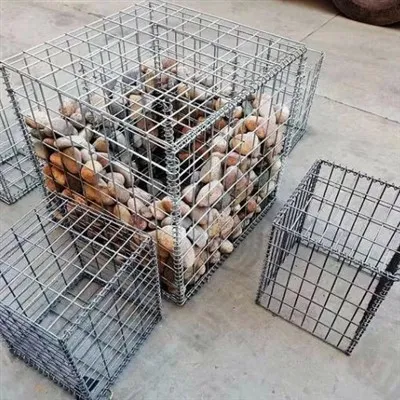
gabion wire cages
Gabion Mesh
Reinforced gabion units designed for controlled prefilling, lifting, transport, and placement in marine, flood, emergency, remote-access, and short-work-window projects.
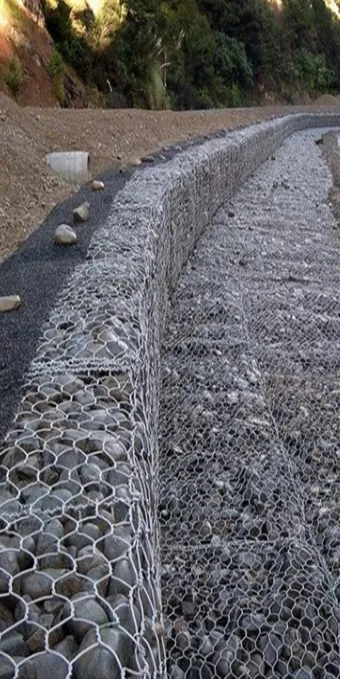
Description
Reinforced gabion units designed for controlled prefilling, lifting, transport, and placement in marine, flood, emergency, remote-access, and short-work-window projects.
Prefilled liftable gabions allow stone-filled units to be prepared in a controlled area and placed rapidly where conventional in-situ filling is slow, unsafe, or impossible. Typical uses include tidal and marine work, underwater protection, emergency flood repairs, remote crossings, and projects with short possession windows. A liftable unit is not simply a standard basket picked up by its mesh. The basket, internal reinforcement, closure, lifting frame or sling interface, fill grading, handling sequence, and maximum lift mass must be engineered as a system. Zhongman manufactures project-specific reinforced units and supplies them with the required lacing, bracing, and connection details for use under the contractor's approved lifting plan.
Controlled prefilling improves stone placement, face quality, closure inspection, and production scheduling. Units can be staged before a tide, road closure, or emergency work window and then placed quickly with suitable lifting equipment. This reduces labour exposure at the final location and can make underwater or steep-access work practical. Prefilled modules also support repeatable dimensions and consistent rock quantity. The main engineering challenge is controlling deformation and load transfer during the lift. Internal partitions, lifting frames, spreader beams, restraints, and reinforced connections may be required so the basket is not overloaded or distorted. Every lift must stay within the approved mass, lifting points, equipment capacity, and weather or water limits.
The unit geometry, mesh construction, wire diameter, coating, reinforcement, lifting arrangement, and fill grading are selected for the placement method. Zn-Al alloy or polymer-coated wire is commonly considered for wet and marine exposure, with final selection based on salinity, abrasion, UV, chemicals, and required durability. The purchaser should provide target unit dimensions, dry and submerged placement conditions, maximum crane radius, lifting equipment, transport route, available stone, water depth and current, connection method after placement, and governing lifting requirements. Zhongman can manufacture trial units and provide dimensional and material records, but lifting design and site execution must be approved by competent project personnel.
Liftable gabions are used for emergency breach closure, flood defence reinforcement, scour repair, bridge and culvert protection, quay and shoreline works, pipeline or cable protection, and remote sites where stone placement plant cannot reach the final position. Units may be filled near a quarry, stockpile, barge, or stable working platform. Before production placement, the contractor should complete a trial assembly and lift to confirm deformation, rigging, balance, closure security, and placement tolerances. Adjacent units are connected where required after placement so the finished protection acts continuously. Underwater visibility, current, bed preparation, filter continuity, and diver or remotely operated inspection must be included in the method statement.
Zhongman combines mesh manufacturing with project-specific fabrication, making it possible to control basket geometry, reinforcement, diaphragms, coating, and accessories in one production package. We can manufacture a trial unit before the main run and label each module for its intended placement sequence. Export packing is planned around whether units ship flat for local prefilling or as components for controlled assembly near the worksite. Share the lifting concept, placement environment, drawings, fill data, and quantity schedule so our engineers can confirm manufacturability and prepare a quotation. Standard gabion prices are not a reliable basis for a liftable system because reinforcement and handling requirements vary by project.
Products
gabion wire cages

reno mattress

flood barrier
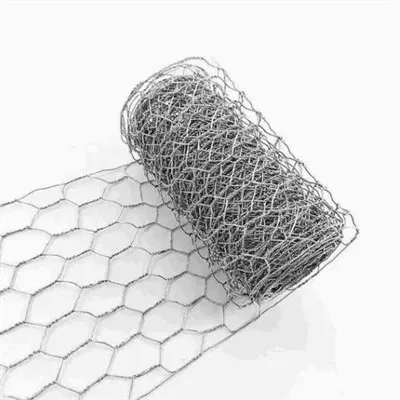
hexagonal wire mesh